
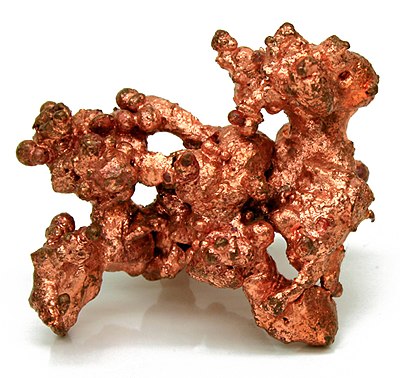
Copper is an essential trace mineral that plays a quietly critical role in brain chemistry, energy production, and antioxidant defense. While it rarely gets the spotlight that zinc, magnesium, or iron enjoy in supplement communities, copper is a necessary cofactor for some of the most important enzymes in human physiology. Dopamine beta-hydroxylase, the enzyme that converts dopamine into norepinephrine, is copper-dependent. So is cytochrome c oxidase, the final enzyme in the mitochondrial electron transport chain that generates the vast majority of your cellular energy. Without adequate copper, both your mood-regulating catecholamine system and your fundamental ability to produce ATP are compromised.
Most people get enough copper from food -- organ meats, shellfish, dark chocolate, nuts, and seeds are rich sources. The recommended daily intake is around 900 micrograms for adults. But copper deficiency is more common than many realize, and it often shows up in specific populations: people supplementing with high-dose zinc (which directly competes with copper for absorption), those with malabsorption conditions, bariatric surgery patients, and people on restrictive diets. The zinc-copper antagonism is especially relevant in nootropic and bodybuilding communities, where zinc supplementation at 30-50mg+ per day is common and can quietly deplete copper stores over weeks to months.
Copper is also a key component of superoxide dismutase 1 (SOD1), one of the body's primary antioxidant enzymes that neutralizes superoxide radicals. It's involved in iron metabolism through ceruloplasmin, the copper-containing protein that oxidizes iron so it can be transported in the blood. This means copper deficiency can paradoxically present as iron-deficiency anemia that doesn't respond to iron supplementation -- a clinical puzzle that catches even some physicians off guard.
Supplemental copper is typically available as copper gluconate, copper bisglycinate, or copper citrate, with bisglycinate generally considered the best-tolerated form. Doses in supplements usually range from 1-2mg. The tolerable upper intake level is 10mg per day, but toxicity concerns begin well below that for chronic use. Copper supplementation is genuinely useful for people who have confirmed or suspected deficiency, but it is not a "more is better" mineral -- excess copper is associated with oxidative stress, liver damage, and has been implicated in neurodegenerative processes. The goal with copper is balance, not maximization.
Safety at a Glance
- Water quality. Some water systems have copper pipes that can leach copper. Running water for 30–60 seconds before dri...
- Toxicity: Copper toxicity has both chronic and acute forms and is more common than generally appreciated. Wilson's disease is t...
- Start with a low dose and wait for onset before redosing
- Test your substance with reagent kits when possible
If someone is in crisis, call 911 or Poison Control: 1-800-222-1222
Dosage
Oral
Duration
Oral
Total: 24 hrs – 48 hrsHow It Feels
Copper supplementation does not produce noticeable acute effects in the way that stimulants, adaptogens, or even magnesium might. If your copper levels are already adequate, taking a copper supplement will feel like taking nothing at all. This is worth stating plainly because supplement marketing sometimes implies otherwise.
Where copper supplementation becomes genuinely perceptible is in correcting a deficiency, and the timeline is usually weeks rather than hours. People who have been unknowingly copper-depleted -- often from months of high-dose zinc supplementation -- frequently report gradual improvements in energy levels, mental clarity, and mood stability as their stores replenish. Some describe a lifting of a subtle brain fog they had attributed to other causes. On r/Nootropics and r/Supplements, a recurring theme is someone discovering that their fatigue or anhedonia was not from the condition they were treating with zinc, but from the copper depletion the zinc was causing. The resolution often feels less like "gaining something new" and more like "removing a drag" they had normalized.
A few users report noticing improved exercise recovery and better sleep quality after addressing copper deficiency, which is consistent with copper's role in mitochondrial energy production and antioxidant defense. If you are supplementing zinc at doses above 15mg per day and have not added copper, it is worth paying attention to symptoms like unusual fatigue, frequent illness, difficulty concentrating, or mood changes -- these are the subtle signals that your copper-zinc balance may have shifted.
Subjective Effects
The effects listed below are based on the Subjective Effect Index (SEI), an open research literature based on anecdotal reports and personal analyses. They should be viewed with a healthy degree of skepticism. These effects will not necessarily occur in a predictable or reliable manner, although higher doses are more liable to induce the full spectrum of effects.
Physical Effects
Cognitive & Perceptual Effects
Cognitive(1)
- Psychosis— Psychosis is a serious psychiatric state involving a fundamental break from consensus reality — char...
Pharmacology
Copper is an essential transition metal serving as a catalytic redox cofactor for approximately 30 enzymes. Its pharmacological relevance in the nervous system is substantial and multifaceted.
Dopamine beta-hydroxylase (DBH): Converts dopamine to norepinephrine in the locus coeruleus, adrenal medulla, and other noradrenergic neurons. DBH requires two copper ions per subunit as catalytic centers for the mixed-function oxidase reaction. Copper deficiency reduces DBH activity, altering the dopamine/norepinephrine ratio and affecting mood, attention, and stress response — with phenylethylamine (PEA) and dopamine accumulating relative to norepinephrine.
Cytochrome c oxidase (Complex IV): The terminal enzyme of the mitochondrial electron transport chain, containing two copper centers (CuA and CuB). Copper deficiency impairs oxidative phosphorylation, reducing ATP production and neuronal energy supply.
Cu/Zn superoxide dismutase (SOD1): The cytoplasmic superoxide-scavenging enzyme, containing both copper and zinc. SOD1 mutations are associated with ALS (amyotrophic lateral sclerosis), and copper delivery to SOD1 by the chaperone CCS is essential for its anti-oxidative function.
Peptidylglycine alpha-amidating monooxygenase (PAM): Requires copper for amidation of neuropeptides including oxytocin, vasopressin, CRF, VIP, and calcitonin — post-translational modifications essential for neuropeptide activity.
Ceruloplasmin: A copper-containing ferroxidase essential for iron export from cells. Copper deficiency impairs ceruloplasmin, causing secondary iron accumulation in tissues (particularly brain, liver) despite adequate iron intake — demonstrating the intimate copper-iron relationship.
Synaptic copper: Copper is released from presynaptic vesicles during neuronal depolarization in concentrations up to 300 μM locally. Synaptic copper modulates NMDA receptor function (inhibitory), AMPA receptors, and GABA-A receptors, serving as a neuromodulator.
Interactions
No documented interactions.
History
Copper is among the most historically significant metals in human civilization, having been worked since at least 9,000 BCE. The Bronze Age (approximately 3300–1200 BCE) was defined by copper-tin alloys (bronze), which transformed tools, weapons, and art across Eurasia and North Africa.
In medicine, copper compounds have been used since ancient times. Egyptian papyri from 2600 BCE describe copper for wound sterilization and water purification. The antimicrobial properties of copper surfaces ("contact killing") are now recognized as mediated by copper ion release disrupting bacterial membranes and enzymes — hospitals have begun installing copper-alloy surfaces to reduce nosocomial infections.
Copper's essential nutritional role was established in the early 20th century through animal feeding experiments. In 1928, Hart and colleagues demonstrated that copper was required alongside iron for hemoglobin synthesis in rats — a landmark finding establishing copper's essentiality. The characterization of copper-containing enzymes proceeded through the mid-20th century.
Wilson's disease (hepatolenticular degeneration) was described by Samuel Alexander Kinnier Wilson in 1912, though the genetic basis (ATP7B mutations) and copper accumulation mechanism were established decades later. Menkes disease — the opposite condition, characterized by copper deficiency due to ATP7A mutations (impaired intestinal copper absorption) — was described by John Menkes in 1962.
Contemporary research has focused on copper's roles in Alzheimer's disease neurodegeneration, where copper dysregulation (possibly involving amyloid-beta's proposed role as a copper-binding antimicrobial peptide) has been extensively studied. Copper ionophores (clioquinol, PBT2) have been trialed as potential Alzheimer's treatments based on this connection, with mixed results.
Harm Reduction
Zinc-copper balance is critical. If taking zinc supplements (> 25–30 mg/day elemental zinc), monitor for copper deficiency signs: anemia, neutropenia, myelopathy, and neurological symptoms. Long-term high-dose zinc supplementation without copper supplementation can cause serious copper deficiency. Standard ratio is approximately 10:1 zinc to copper (e.g., 25 mg zinc with 2.5 mg copper).
Supplement conservatively. The RDA for copper is 0.9 mg/day. Most mixed diets provide 1–3 mg/day without supplementation. Supplementing copper above 2–3 mg/day on top of dietary intake is rarely indicated without confirmed deficiency.
Wilson's disease screening. Any neuropsychiatric or hepatic symptoms in a young person (under 40) should prompt Wilson's disease screening before copper supplementation. The disorder is underdiagnosed and supplemental copper in Wilson's disease is potentially life-threatening.
Copper cookware. Acidic foods (tomato sauce, wine) in unlined copper pots can leach significant copper — potentially reaching toxicity levels with prolonged cooking. Use stainless steel-lined copper pots or avoid acidic foods in unlined copper.
Water quality. Some water systems have copper pipes that can leach copper. Running water for 30–60 seconds before drinking (particularly in homes with newer copper plumbing) reduces copper exposure.
Dietary sources. The richest dietary copper sources are shellfish (especially oysters — 5–8 mg per 85g), organ meats (liver), nuts, seeds, dark chocolate, and legumes. Most individuals with varied diets meet their copper needs without supplementation.
Toxicity & Safety
Copper toxicity has both chronic and acute forms and is more common than generally appreciated.
Wilson's disease is the genetic archetype of copper toxicity — an autosomal recessive disorder causing copper accumulation in liver, brain, and cornea due to mutations in ATP7B (the hepatic copper exporter). Neuropsychiatric symptoms (personality changes, psychosis, dysarthria, tremor, dystonia) and hepatic disease characterize this disorder. Treatment involves copper chelation (penicillamine, trientine) and zinc supplementation (which blocks copper absorption).
Acute copper toxicity (ingesting high doses of copper salts): nausea, vomiting, diarrhea, hemolytic anemia, hepatic necrosis. The WHO sets an upper limit for copper in drinking water at 2 mg/L based on acute GI effects.
Chronic dietary excess: The tolerable upper intake level (UL) for copper is 10 mg/day for adults. Chronic ingestion above this level can cause liver damage. Cases occur from use of copper cookware with acidic foods, contaminated water, and excessive supplement use. Copper-containing multivitamins and supplements typically provide 1–3 mg, well within safe range.
Copper-zinc antagonism: Zinc supplementation (above 50 mg/day elemental) significantly reduces copper absorption by inducing metallothionein in enterocytes, which preferentially binds copper and prevents its absorption. High-dose zinc supplementation (> 40 mg/day) without copper can cause secondary copper deficiency. Conversely, excess copper antagonizes zinc.
Alzheimer's disease context: Elevated copper in amyloid plaques and cerebrospinal fluid has been documented in Alzheimer's disease, leading some researchers to implicate copper dysregulation in neurodegeneration. However, causality versus consequence remains debated, and copper deficiency (rather than excess) has also been implicated.
Addiction Potential
No addiction potential.
Tolerance
| Full | Not applicable — nutritional supplement |
| Half | N/A |
| Zero | N/A |
Cross-tolerances
Legal Status
This substance is not a controlled or scheduled substance in any major jurisdiction. It is widely available as a dietary supplement, food additive, or over-the-counter product in the United States, United Kingdom, European Union, Canada, and Australia. In the US, it falls under the Dietary Supplement Health and Education Act (DSHEA) of 1994 and is regulated by the FDA as a dietary supplement rather than a drug. Manufacturers are responsible for ensuring safety and accurate labeling, but pre-market approval is not required.
In the European Union, it is regulated under the Food Supplements Directive (2002/46/EC) and may be subject to maximum permitted levels set by individual member states. In the United Kingdom, it falls under the Food Supplements (England) Regulations 2003 and similar devolved legislation. In Australia, it is typically listed on the Australian Register of Therapeutic Goods (ARTG) as a complementary medicine or is available as a food product. In Canada, it may be classified as a Natural Health Product (NHP) requiring a product license from Health Canada.
No prescription is required in any of these jurisdictions, and there are no criminal penalties associated with possession, purchase, or use.
Tips (3)
Quality varies enormously between Copper supplement brands. Look for products with third-party testing (USP, NSF, ConsumerLab). Cheaper brands may contain fillers, incorrect doses, or contaminants.
Consider whether Copper is better absorbed with food or on an empty stomach. Fat-soluble nutrients need dietary fat for absorption. Taking supplements correctly improves bioavailability significantly.
Inform your healthcare provider about Copper supplementation, especially before surgery or when starting new medications. Some supplements interact with drugs or affect blood clotting.
See Also
References (3)
- PubChem: Copper
PubChem compound page for Copper (CID: 23978)
pubchem - Copper - TripSit Factsheet
TripSit factsheet for Copper
tripsit - Copper - Wikipedia
Wikipedia article on Copper
wikipedia