
Double vision, via Effect Index
Decreased heart rate
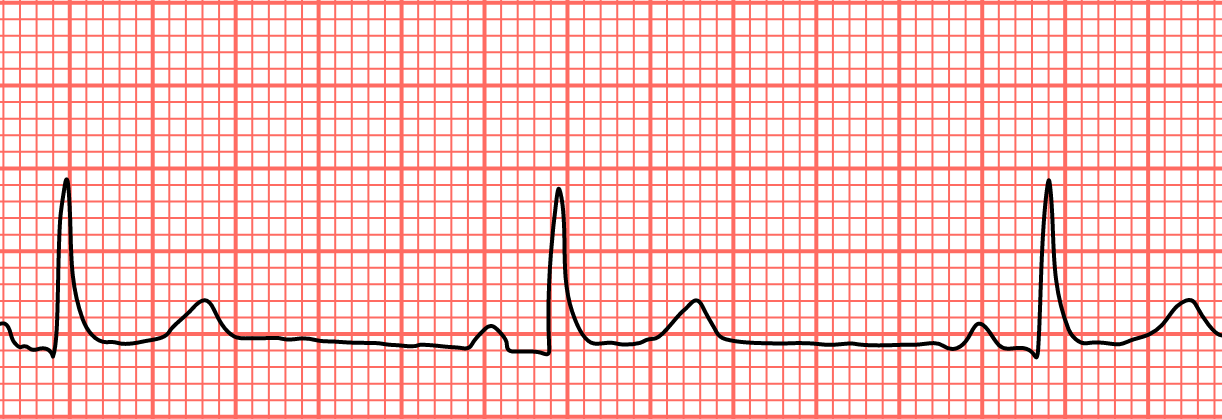
Decreased heart rate (bradycardia) is a slowing of the heart's rhythm below the normal resting range of 60-100 beats per minute, commonly produced by depressant substances that enhance parasympathetic tone or reduce sympathetic nervous system activity.
Description
Decreased heart rate, medically termed bradycardia, refers to a heart rate that falls below the normal resting range of 60-100 beats per minute. In the context of psychoactive substance use, this effect is most commonly associated with depressant compounds that either enhance parasympathetic (vagal) tone, suppress sympathetic nervous system activity, or directly affect cardiac pacemaker cells. While mild bradycardia is generally well-tolerated — indeed, athletes often have resting heart rates well below 60 bpm — substance-induced bradycardia can occasionally become symptomatic if severe enough.
The pharmacological mechanisms behind substance-induced bradycardia include GABAergic enhancement (benzodiazepines, barbiturates, GHB), which reduces central sympathetic outflow to the heart;opioid receptor activation, which increases vagal tone and directly slows sinoatrial node firing;alpha-2 adrenergic agonism (clonidine, guanfacine), which reduces norepinephrine release centrally; andcholinergic activation, which directly stimulates the parasympathetic innervation of the heart. Cannabis can sometimes produce bradycardia, though it more commonly causes tachycardia, depending on dose, tolerance, and individual physiology.
Subjectively, mild-to-moderate bradycardia may produce a calming, grounded feeling — the awareness that one's heart is beating slowly and steadily often accompanies states of deep relaxation, sedation, and anxiety relief. Some individuals find this sensation pleasant, interpreting it as a sign of profound calm. However, when heart rate drops below approximately 40-50 bpm, symptoms may emerge: lightheadedness, dizziness, fatigue, weakness, confusion, and in extreme cases, syncope (fainting) due to inadequate cardiac output delivering too little oxygenated blood to the brain.
Harm reduction note: Mild bradycardia from depressant substances is usually not dangerous in otherwise healthy individuals. However, significant bradycardia (below 50 bpm) accompanied by symptoms such as dizziness, confusion, or fainting is a medical concern that may require intervention. Combining multiple depressant substances (opioids + benzodiazepines + alcohol, for example) amplifies bradycardia risk along with the more commonly discussed risk of respiratory depression. Individuals on beta-blockers, calcium channel blockers, or other heart-rate-lowering medications are at heightened risk of severe bradycardia when using depressant substances.