
Seizure, via Effect Index
Seizure
Uncontrolled brain electrical activity causing convulsions and loss of consciousness -- a life-threatening medical emergency requiring immediate help.
Description
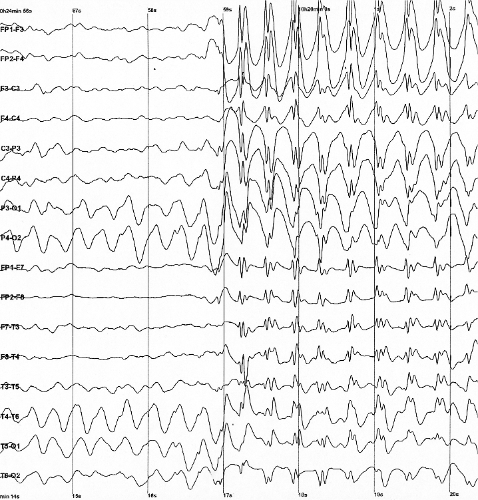
Seizures are episodes of abnormal, excessive, and synchronous neuronal activity in the brain that produce involuntary motor activity, altered consciousness, and potentially life-threatening physiological disruption. In the context of psychoactive substance use, seizures represent one of the most dangerous acute adverse events and constitute a medical emergency requiring immediate intervention.
The brain normally maintains a careful balance between excitatory (primarily glutamatergic) and inhibitory (primarily GABAergic) neurotransmission. Seizures occur when this balance is disrupted in favor of excessive excitation, allowing uncontrolled electrical discharges to propagate across neuronal networks. Substance-related seizures arise through two primary pathways: direct proconvulsant effects of the substance, and withdrawal-induced hyperexcitability.
Direct proconvulsant substances lower the seizure threshold through various mechanisms. Tramadol inhibits serotonin and norepinephrine reuptake while also acting at opioid receptors, and its metabolite normeperidine has direct proconvulsant activity -- tramadol-associated seizures can occur even at therapeutic doses and are more likely with rapid dose escalation or concurrent use of other serotonergic drugs. NBOMe compounds (25I-NBOMe, 25C-NBOMe) are potent 5-HT2A agonists that have been associated with seizures, hyperthermia, and death at doses only slightly above the active threshold. Cocaine can cause seizures through its local anesthetic properties (sodium channel blockade) and sympathomimetic effects. High-dose stimulants can trigger seizures through catecholamine-mediated CNS hyperexcitation.
Withdrawal seizures occur when chronic GABAergic depression (from alcohol or benzodiazepines) is suddenly removed. The brain adapts to chronic GABA enhancement by downregulating GABA receptors and upregulating excitatory glutamate (NMDA) receptors. When the depressant is withdrawn, the resulting unopposed excitatory activity can trigger seizures. Alcohol withdrawal seizures typically occur 12-48 hours after cessation and can progress to status epilepticus. Benzodiazepine withdrawal seizures can occur days to weeks after discontinuation depending on the half-life of the specific drug. GHB withdrawal, though less commonly discussed, can also produce severe seizures.
Seizure first aid: Call emergency services immediately. Place the person on their side (recovery position) to prevent aspiration. Clear the area of hard or sharp objects. Do not restrain the person or place anything in their mouth. Time the seizure -- seizures lasting more than five minutes (status epilepticus) are a distinct emergency requiring immediate anticonvulsant treatment. Do not attempt to give oral medications to someone who is seizing. After the seizure, the person will typically be confused and drowsy (postictal state) -- stay with them, keep them on their side, and wait for emergency services.
Intensity Levels
Threshold - Aura
25%Warning signs that may precede a seizure: sudden strange taste or smell, visual disturbances, deja vu, rising sensation in the stomach, or sudden anxiety. Not all seizures have auras.
Focal seizure
50%Seizure activity confined to one brain region. May cause involuntary twitching of one limb or side of the face, brief staring spells, or repetitive movements (lip smacking, hand rubbing) without full loss of consciousness.
Generalized tonic-clonic
75%Full grand mal seizure with loss of consciousness, body stiffening (tonic phase), followed by rhythmic jerking of all extremities (clonic phase). Typically lasts 1-3 minutes. Medical emergency.
Status epilepticus
100%Continuous seizure activity lasting more than 5 minutes, or multiple seizures without return to consciousness between them. Immediately life-threatening. Requires emergency anticonvulsant administration.
Safety & Danger Notes
Warning
Medical emergency. Call emergency services immediately. Place person on their side, do not restrain, do not put anything in their mouth. Seizures can cause aspiration, traumatic injury, hypoxia, rhabdomyolysis, and death. Status epilepticus (seizures lasting more than 5 minutes) requires immediate anticonvulsant treatment. Never attempt to withdraw from alcohol or benzodiazepines abruptly after heavy chronic use without medical supervision.