

3,4-Methylenedioxymethamphetamine (MDMA) is a synthetic entactogen-empathogen of the substituted amphetamine family, known worldwide as ecstasy (pressed tablets) or molly (crystal/powder). It occupies a singular position in psychopharmacology: no other substance produces quite the same fusion of stimulation, emotional transparency, and deep interpersonal warmth. MDMA does not merely make people feel good -- it makes people feel connected, dissolving the armor of social anxiety, self-judgment, and emotional guardedness that ordinarily shapes human interaction. First-time users routinely describe it as "finally understanding what unconditional love feels like" or realizing they can hold compassion for someone they spent years resenting.
That combination of effects carved out two very different legacies. In therapy offices during the late 1970s and early 1980s, MDMA was quietly revolutionizing trauma treatment -- couples resolved years of conflict in a single session, veterans opened up about combat experiences for the first time, and terminally ill patients found peace with mortality. Then it escaped the clinic. By 1988, MDMA had become the chemical heartbeat of UK rave culture and the global electronic music scene, inseparable from warehouse parties, glow sticks, and the Second Summer of Love. It remains one of the most widely used recreational substances on Earth, with the European Drug Report noting it as the second most frequently used illicit stimulant in Europe.
The pharmacology is elegant in its bluntness: MDMA reverses the brain's monoamine transporters, causing a simultaneous, massive flood of serotonin, dopamine, and norepinephrine into synapses. The serotonin surge drives empathy and emotional warmth; dopamine fuels the euphoria; norepinephrine handles the cardiovascular kick -- elevated heart rate, dilated pupils, and the rise in body temperature that makes thermal regulation the single most important safety concern. The experience typically lasts 3-5 hours, followed by a comedown of variable severity as the brain replenishes depleted serotonin stores.
MDMA's therapeutic potential has been validated in rigorous clinical trials. MAPS-sponsored Phase 3 studies showed 67% of PTSD patients no longer met diagnostic criteria after MDMA-assisted therapy, earning FDA Breakthrough Therapy designation. However, in August 2024, the FDA issued a Complete Response Letter to Lykos Therapeutics, declining initial approval and requesting additional data on blinding, safety assessments, and trial oversight. The therapeutic story is far from over, but the regulatory path proved more complex than many hoped. Meanwhile, the harm reduction community has converged on essential practices: always reagent-test your substance (adulterants including PMA, PMMA, methamphetamine, and fentanyl are routinely found in street MDMA), follow the "3-month rule" between sessions, stay cool, and hydrate moderately -- not excessively.
What the Community Wants You to Know
Filming or photographing people who are visibly rolling at events without their consent is widely condemned in the community. It can trigger acute anxiety in the person being filmed and constitutes a serious violation of rave etiquette and basic human decency.
MDMA is not 'just a party drug.' Clinical trials for MDMA-assisted psychotherapy for PTSD have shown response rates above 70%, and many users independently discover its therapeutic potential for processing grief, relationship issues, and depression. The empathogenic effects are the therapeutic mechanism, not just a side effect.
First-time users consistently describe the onset as surprisingly gentle and clear-headed compared to expectations. The most common report is that everything feels 'perfect' without the intense mindfuck people anticipate. Music enhancement and social warmth are the dominant effects, not hallucinations.
Safety at a Glance
High Risk- Test Your Substance -- Every Single Time
- Marquis: MDMA turns dark purple/black
- Toxicity: Hyperthermia -- The Primary Killer The most dangerous acute risk of MDMA is hyperthermia. MDMA disrupts the body's th...
- Dangerous with: 2-Aminoindane, 2-FEA, Atropa belladonna, Datura, 2C-T-x, 3-FPM, 3-MMC (+46 more)
- Overdose risk: Recognizing an MDMA Emergency MDMA overdose is a medical emergency that kills through hyperthermi...
If someone is in crisis, call 911 or Poison Control: 1-800-222-1222
Dosage
oral
insufflated
Duration
oral
Total: 3 hrs – 6 hrsinsufflated
Total: 2 hrs – 4 hrsHow It Feels
The onset creeps up like a tide. Thirty to sixty minutes after swallowing, there is a growing restlessness that is hard to name -- a fluttering in the stomach, a subtle tension gathering in the jaw, a sense that something is about to happen. Some people feel a brief flash of anxiety, a moment of "oh no, was this a mistake?" Then the wave breaks. A rush of warmth floods upward through the chest, spreads into the face and scalp, and within moments the entire texture of consciousness has shifted. The transition from sober to rolling can be startlingly abrupt -- what felt like nervous anticipation thirty seconds ago is now an overwhelming sense that everything is going to be okay, that everything has always been okay.
At the peak, the world transforms. Colors seem impossibly vivid, especially neon and luminescent shades -- glow sticks at a festival become genuinely mesmerizing objects. Music does not just sound better; it seems to acquire physical architecture, with bass frequencies resonating deep in the chest cavity and melodies unfolding with an emotional intensity that can bring tears to people's eyes mid-dance floor. Touch becomes extraordinary. Even simple contact -- a hand on your shoulder, someone brushing past -- sends cascading waves of warm, electric pleasure through the body. There is a reason people at raves look like they are having a religious experience running their hands over a fuzzy blanket.
But the signature effect is not physical. It is the emotional opening. Social anxiety evaporates. Self-consciousness dissolves. The defensive barriers that normally mediate human interaction simply drop away. People describe becoming able to say things they have held back for years -- telling a friend they love them, forgiving someone they have been angry at, or looking at their own life with a compassion they could not access sober. The community phrase that keeps coming up is "you feel what love is supposed to feel like." In therapeutic settings, this is the mechanism: PTSD patients describe being able to revisit traumatic memories without the panic and shame that normally accompanies them, as if the memory is still there but the emotional charge has been defused.
Physically, the body is unmistakably stimulated. The jaw clenches and grinds -- bruxism is so characteristic that chewing gum at a rave is practically a diagnostic sign. Pupils dilate enormously. Heart rate climbs. Body temperature rises. Despite all this sympathomimetic activity, most people report feeling comfortable and embodied rather than jittery. The stimulation feels woven into the euphoria, not layered on top of it. There is a persistent desire to move, to dance, to touch things, to talk to everyone.
The peak lasts one to two hours before beginning a slow, gentle descent. The fierce euphoria softens into a calm, warm contentment. Conversations become less rapid-fire but remain intimate. Many people describe this phase as the most meaningful -- the intensity has receded enough to be reflective, but the emotional openness persists. The comedown, when it arrives, is often bittersweet: a reluctant return to ordinary consciousness after inhabiting a version of yourself that felt more open, more loving, and more honest. In the days that follow, a period of subdued mood is common -- the "Tuesday blues" or "suicide Tuesday" as the community calls it -- typically resolving within 1-3 days. Some people, particularly those who used responsibly and in meaningful contexts, report a sustained afterglow of emotional openness and improved relationships that outlasts the neurochemical dip.
Subjective Effects
The effects listed below are based on the Subjective Effect Index (SEI), an open research literature based on anecdotal reports and personal analyses. They should be viewed with a healthy degree of skepticism. These effects will not necessarily occur in a predictable or reliable manner, although higher doses are more liable to induce the full spectrum of effects.
Physical Effects
Physical(38)
- Abnormal heartbeat— Abnormal heartbeat (arrhythmia) is any deviation from the heart's normal rhythm — including beats th...
- Appetite changes— Complex alterations in hunger, food preferences, and eating patterns that go beyond simple suppressi...
- Appetite suppression— A distinct decrease in hunger and desire to eat, ranging from reduced interest in food to complete d...
- Bodily control enhancement— Bodily control enhancement is the subjective feeling of improved physical precision, coordination, a...
- Brain zaps— Brain zaps are sudden, brief, electrical shock-like sensations that originate in the head and someti...
- Bronchodilation— Bronchodilation is the widening of the bronchial airways in the lungs, reducing resistance to airflo...
- Decreased libido— Decreased libido is a diminished interest in and desire for sexual activity, commonly caused by subs...
- Dehydration— A state of insufficient bodily hydration manifesting as persistent thirst, dry mouth, and physical d...
- Difficulty urinating— Difficulty urinating, also known as urinary retention, is the experience of being unable to easily p...
- Dry mouth— A persistent, uncomfortable reduction in saliva production causing the mouth and throat to feel parc...
- Excessive yawning— Involuntary, repeated yawning that occurs far more frequently than normal and often without the usua...
- Headache— A painful sensation of pressure, throbbing, or aching in the head that can range from a dull backgro...
- Increased blood pressure— Increased blood pressure (hypertension) is an elevation of arterial pressure above the normal 120/80...
- Increased bodily temperature— Increased bodily temperature (hyperthermia) is an elevation of core body temperature above the norma...
- Increased heart rate— A noticeable acceleration of heartbeat that can range from a subtle awareness of one's pulse to a fo...
- Increased libido— A marked enhancement of sexual desire, arousal, and sensitivity to erotic stimuli that can range fro...
- Insomnia— A persistent inability to fall asleep or maintain sleep despite physical tiredness, often characteri...
- Muscle relaxation— The experience of muscles throughout the body losing their rigidity and tension, becoming noticeably...
- Muscle tension— Persistent partial contractions or tightening of muscles that produces uncomfortable stiffness, cram...
- Nausea— An uncomfortable sensation of queasiness and stomach discomfort that may or may not lead to vomiting...
- Nystagmus— Rapid, involuntary oscillating movements of the eyes that cause vision to vibrate and blur, often ma...
- Orgasm suppression— Orgasm suppression (anorgasmia) is the difficulty or complete inability to achieve orgasm despite ad...
- Pain relief— A suppression of negative physical sensations such as aches and pains, ranging from dulled awareness...
- Photophobia— An abnormal physical intolerance and sensitivity to light that causes discomfort, squinting, or pain...
- Physical euphoria— An intensely pleasurable bodily sensation that can manifest as waves of warmth, tingling electricity...
- Pupil dilation— A visible enlargement of the pupil diameter (mydriasis) that can range from subtle widening to drama...
- Sedation— A state of deep physical and mental calming that manifests as a progressive desire to remain still, ...
- Seizure— Uncontrolled brain electrical activity causing convulsions and loss of consciousness -- a life-threa...
- Serotonin syndrome— Serotonin syndrome is a potentially fatal medical emergency caused by excessive serotonergic activit...
- Stamina enhancement— Stamina enhancement is an increase in one's ability to sustain physical and mental exertion over ext...
- Stimulation— A state of heightened physical and mental energy characterized by increased wakefulness, elevated mo...
- Teeth chattering— Teeth chattering is an involuntary, rhythmic movement of the jaw that produces rapid clicking or cha...
- Teeth grinding— An involuntary clenching and rhythmic grinding of the jaw muscles, known clinically as bruxism, that...
- Temperature regulation disruption— Impaired thermoregulation causing unpredictable fluctuations between feeling hot and cold, with risk...
- Temporary erectile dysfunction— Temporary erectile dysfunction is the substance-induced inability to achieve or sustain a penile ere...
- Tinnitus— Phantom perception of ringing, buzzing, or hissing in the ears without external sound source, potent...
- Vasoconstriction— A narrowing of blood vessels throughout the body that produces sensations of cold extremities, tingl...
- Vibrating vision— Vibrating vision is the subjective experience of the visual field rapidly oscillating or shaking due...
Tactile(3)
- Spontaneous tactile sensations— Unprompted physical sensations that arise without external touch or stimulus, manifesting as tinglin...
- Tactile distortion— Tactile distortion is the warping of existing touch and body sensations — textures may feel alien, p...
- Tactile enhancement— The sense of touch becomes dramatically heightened, making physical contact feel intensely pleasurab...
Cognitive & Perceptual Effects
Visual(13)
- Colour enhancement— An intensification of the brightness, vividness, and saturation of colors in the external environmen...
- Double vision— The visual experience of seeing a single object as two separate, overlapping images, similar to cros...
- Drifting— The visual experience of perceiving stationary objects, textures, and surfaces as appearing to flow,...
- External hallucination— A visual hallucination that manifests within the external environment as though it were physically r...
- Geometry— The experience of perceiving complex, ever-shifting geometric patterns superimposed over the visual ...
- Internal hallucination— Vivid, detailed visual experiences perceived within an imagined mental landscape that can only be se...
- Pattern recognition enhancement— An increased ability and tendency to perceive meaningful patterns, faces, and images within ambiguou...
- Perspective hallucination— A hallucinatory phenomenon in which the observer's visual perspective shifts from the normal first-p...
- Settings, sceneries, and landscapes— The perceived environment in which hallucinatory experiences take place, ranging from recognizable l...
- Shadow people— The perception of dark, humanoid silhouettes lurking in peripheral vision or standing in direct line...
- Symmetrical texture repetition— Textures appear to mirror and tessellate across surfaces in intricate, self-similar symmetrical patt...
- Tracers— Moving objects leave visible trails of varying length and opacity behind them, similar to long-expos...
- Visual auras— Halos or glowing fields of light appear to surround objects, people, and light sources. These lumino...
Cognitive(39)
- Amnesia— A complete or partial inability to form new memories or recall existing ones during and after substa...
- Anxiety— Intense feelings of apprehension, worry, and dread that can range from a subtle background unease to...
- Anxiety suppression— A partial to complete suppression of anxiety and general unease, producing a calm, relaxed mental st...
- Catharsis— A powerful emotional release and cleansing involving the surfacing, processing, and resolution of de...
- Cognitive dysphoria— A cognitive and emotional state of intense dissatisfaction, discomfort, and malaise encompassing fee...
- Cognitive euphoria— A cognitive and emotional state of intense well-being, elation, happiness, and joy that manifests as...
- Cognitive fatigue— Mental exhaustion and difficulty sustaining thought after intense cognitive experiences, common duri...
- Compulsive redosing— An overwhelming, difficult-to-resist urge to continuously take more of a substance in order to maint...
- Confusion— An impairment of abstract thinking marked by a persistent inability to grasp or comprehend concepts ...
- Creativity enhancement— An increase in the ability to imagine new ideas, overcome creative blocks, think about existing conc...
- Delirium— Delirium is a serious and potentially dangerous state of acute mental confusion involving disorienta...
- Depression— A persistent state of low mood, emotional numbness, hopelessness, and diminished interest or pleasur...
- Derealization— A perceptual disturbance in which the external world feels profoundly unreal, dreamlike, or artifici...
- Disinhibition— A marked reduction in social inhibitions, self-consciousness, and behavioral restraint that manifest...
- Dream potentiation— Enhanced dream vividness, complexity, and recall, often occurring as REM rebound after discontinuing...
- Dream suppression— Dream suppression is a decrease in the intensity, frequency, and recollection of dreams — ranging fr...
- Ego inflation— Grandiose overconfidence and inflated self-importance, opposite of ego death, commonly produced by s...
- Emotion intensification— A dramatic amplification of emotional responses in which feelings — whether positive or negative — b...
- Empathy enhancement— A state of intensified compassion and emotional openness in which one feels deeply connected to othe...
- Focus enhancement— An enhanced ability to direct and sustain attention on a single task or stimulus with unusual clarit...
- Immersion enhancement— A heightened capacity to become fully absorbed and engrossed in external media such as music, films,...
- Introspection— An enhanced state of self-reflective awareness in which one feels drawn to examine their own thought...
- Irritability— Irritability is a sustained state of emotional reactivity in which the threshold for annoyance, frus...
- Mindfulness— Mindfulness in the substance context refers to a state of heightened present-moment awareness in whi...
- Motivation enhancement— A heightened sense of drive, ambition, and willingness to accomplish tasks, making productive effort...
- Motivation suppression— Motivation suppression is a state of diminished drive and willingness to engage in goal-directed beh...
- Music appreciation enhancement— A profound enhancement of one's enjoyment and emotional connection to music, making songs feel deepl...
- Novelty enhancement— A feeling of increased fascination, awe, and childlike wonder attributed to everyday concepts, objec...
- Paranoia— Irrational suspicion and belief that others are watching, plotting against, or intending harm toward...
- Personal bias suppression— A decrease in the personal, cultural, and cognitive biases through which one normally filters their ...
- Rejuvenation— A renewed sense of physical vitality, mental freshness, and emotional restoration that can emerge du...
- Sensed presence— Sensed presence is the vivid and often unshakeable feeling that an unseen conscious being — whether ...
- Suicidal ideation— Suicidal ideation is the emergence of thoughts, urges, or preoccupations centered on ending one's ow...
- Thought acceleration— The experience of thoughts occurring at a dramatically increased rate, as if the mind has been shift...
- Thought connectivity— A state in which disparate thoughts, concepts, and ideas become fluidly and spontaneously interconne...
- Thought deceleration— The experience of thoughts occurring at a markedly reduced pace, as if the mind has been placed into...
- Thought disorganization— Thought disorganization is a cognitive impairment in which the normal capacity for structured, seque...
- Time distortion— Subjective perception of time becomes dramatically altered — minutes may feel like hours, or hours p...
- Wakefulness— An increased ability to stay awake and alert without the desire to sleep. Distinct from stimulation ...
Auditory(1)
- Auditory enhancement— Auditory enhancement is a heightened sensitivity and appreciation of sound in which music, voices, a...
Multi-sensory(4)
- Anticipatory response— Anticipatory response is a Pavlovian conditioning phenomenon in which the body begins mimicking a su...
- Memory replays— Memory replays are vivid, multisensory re-experiences of past events that go far beyond normal recal...
- Scenarios and plots— Scenarios and plots are the narrative structures that emerge within hallucinatory states — coherent ...
- Sensory overload— An overwhelming flood of sensory information that exceeds the brain's ability to process, creating a...
Transpersonal(4)
- Dissolution of boundaries— Progressive blurring and dissolution of the boundary between self and external reality, merging one'...
- Existential self-realization— A sudden, visceral realization of the profound significance and improbability of one's own existence...
- Spirituality enhancement— A profound intensification of spiritual feelings, mystical awareness, and a sense of sacred connecti...
- Unity and interconnectedness— A profound sense that identity extends beyond the self to encompass other people, nature, or all of ...
Community Insights
Set & Setting(3)
Filming or photographing people who are visibly rolling at events without their consent is widely condemned in the community. It can trigger acute anxiety in the person being filmed and constitutes a serious violation of rave etiquette and basic human decency.
Based on 1 community posts · 330 combined upvotes
Projector visuals, diffused essential oils, soft blankets, and a curated music playlist are the most frequently recommended home-roll enhancements. The tactile sensitivity from MDMA makes the physical environment matter far more than it does sober.
Based on 2 community posts · 160 combined upvotes
Solo rolling can dissolve social anxiety temporarily but the peak often feels disappointingly short (around an hour) without social interaction to sustain the experience. Having even one person to talk to during the peak dramatically extends the subjective duration and emotional depth.
Based on 2 community posts · 142 combined upvotes
Common Misconceptions(3)
MDMA is not 'just a party drug.' Clinical trials for MDMA-assisted psychotherapy for PTSD have shown response rates above 70%, and many users independently discover its therapeutic potential for processing grief, relationship issues, and depression. The empathogenic effects are the therapeutic mechanism, not just a side effect.
Based on 3 community posts · 292 combined upvotes
5-HTP is widely recommended for post-roll recovery but there is limited clinical evidence that it actually speeds serotonin recovery in the brain. It may help with sleep and mood in the days after, but it should never be taken within 24 hours of MDMA as the combination can risk serotonin syndrome.
Based on 2 community posts · 171 combined upvotes
Putting MDMA in an open wound does not produce a high through transdermal absorption. One user tested this with a blister wound and reported only corrosive pain with zero psychoactive effect. Oral or insufflated administration are the only effective routes.
Based on 1 community posts · 135 combined upvotes
Community Wisdom(4)
First-time users consistently describe the onset as surprisingly gentle and clear-headed compared to expectations. The most common report is that everything feels 'perfect' without the intense mindfuck people anticipate. Music enhancement and social warmth are the dominant effects, not hallucinations.
Based on 3 community posts · 282 combined upvotes
The come-up can take anywhere from 20 minutes to 2 full hours depending on stomach contents, individual metabolism, and whether the MDMA is in crystal or pressed pill form. Taking it on an empty stomach speeds onset but can intensify nausea. Many users eat a light meal 2-3 hours before dosing.
Based on 2 community posts · 216 combined upvotes
Rolling at home with close friends or a partner can be equally or more meaningful than festival rolls. Intimate settings allow for deeper conversation and emotional processing without sensory overload, crowds, or the temptation to redose to keep up with a long event.
Based on 3 community posts · 207 combined upvotes
MDMA can produce profound therapeutic breakthroughs in a single session. Multiple users describe resolving years of relationship tension, processing trauma, or gaining lasting perspective on depression. One couple described doing '10 years of therapy in 30 minutes' during a shared roll.
Based on 2 community posts · 158 combined upvotes
Combination Warnings(2)
SSRIs and SNRIs will significantly blunt or completely block MDMA effects because they occupy the serotonin transporter that MDMA needs to trigger serotonin release. More dangerously, MAOIs combined with MDMA can cause serotonin syndrome, a potentially fatal condition with symptoms including hyperthermia, seizures, and organ failure.
Based on 2 community posts · 204 combined upvotes
Candyflipping (LSD + MDMA) is widely regarded as an intensely euphoric combination, but timing matters enormously. Most experienced users recommend taking MDMA 3-4 hours after LSD so the peaks align. Taking them simultaneously can produce overwhelming confusion during the LSD come-up.
Based on 2 community posts · 152 combined upvotes
Harm Reduction(5)
Always reagent-test your MDMA before use. Fake Blue Punishers circulating in the UK tested positive for PMA, which has a much lower lethal threshold than MDMA and a delayed onset that leads people to redose dangerously. A Marquis kit costs less than a single pill and can save your life.
Based on 2 community posts · 176 combined upvotes
The 3-month rule between MDMA sessions lacks a single definitive study but is grounded in observed serotonin recovery timelines and animal neurotoxicity data showing cumulative damage with frequent dosing. Most researchers and experienced users converge on 6-12 weeks minimum as a practical safety floor.
Based on 2 community posts · 155 combined upvotes
MDMA neurotoxicity increases exponentially past roughly 2.5 mg/kg body weight due to liver enzyme saturation. Above this threshold your body cannot efficiently metabolize MDA into non-toxic metabolites, and body temperature rises sharply, compounding the damage to serotonin axons.
Based on 2 community posts · 136 combined upvotes
Vitamin C, Vitamin E, and Alpha Lipoic Acid (ALA) act as antioxidants that can reduce excitotoxic damage to serotonin reuptake transporters during an MDMA session. The RollSafe supplement protocol recommends ALA (100mg every hour), ALCAR, magnesium glycinate for jaw clenching, and melatonin before sleep.
Based on 2 community posts · 123 combined upvotes
If you were unknowingly given methamphetamine instead of MDMA, the key differences are: inability to sleep for 2-3 days, shadow hallucinations from sleep deprivation, and a much longer duration of stimulation. If you suspect meth substitution, do not take more and seek medical attention if your heart rate stays dangerously elevated.
Based on 1 community posts · 121 combined upvotes
Dosage Guidance(3)
A common redose strategy is to take half your initial dose 60-90 minutes after the come-up. This extends the peak by roughly an hour without significantly increasing neurotoxicity. Redosing more than once or taking a full second dose mostly adds side effects and comedown severity rather than extending euphoria.
Based on 2 community posts · 160 combined upvotes
Body weight matters for MDMA dosing more than most substances. The commonly referenced formula is 1.5 mg/kg for a moderate experience. A 60kg person should aim for around 90mg, while a 90kg person might take 120-135mg. Exceeding 2.5 mg/kg dramatically increases neurotoxicity risk.
Based on 2 community posts · 136 combined upvotes
Many experienced users report that 80-100mg provides a cleaner, more emotionally profound roll with significantly less comedown than the commonly taken 120-150mg range. Lower doses preserve more of the empathogenic quality while reducing neurotoxic load and jaw clenching.
Based on 2 community posts · 72 combined upvotes
Pharmacology
Mechanism of Action
MDMA's pharmacology is distinctive because it does not simply block neurotransmitter reuptake the way SSRIs or cocaine do -- it hijacks the transporters and runs them in reverse. The serotonin transporter (SERT), dopamine transporter (DAT), and norepinephrine transporter (NET) are all forced to actively pump their respective neurotransmitters out of presynaptic neurons and into the synapse. This "release" mechanism, as opposed to mere reuptake inhibition, is why MDMA produces such rapid and overwhelming monoamine surges that far exceed anything achievable through conventional stimulant action. Think of it this way: an SSRI is like plugging the drain in a bathtub; MDMA is like turning the faucet on full blast while the drain is plugged.
The Serotonin Story
The serotonin component is proportionally the largest release and fundamentally defines MDMA's character. This is what separates MDMA from amphetamine or cocaine -- those substances are primarily dopaminergic, producing drive and reward. MDMA's massive serotonin flood is what creates the empathogenic warmth, the dissolution of social barriers, and the feeling that emotional walls have simply ceased to exist. Serotonin release also triggers a secondary cascade: oxytocin pours out of the hypothalamus, reinforcing feelings of trust, bonding, and social safety. This oxytocin mechanism is likely why MDMA proved so effective in couples therapy and PTSD treatment -- it creates a neurochemical environment where vulnerability feels safe rather than threatening.
The downside of this massive serotonin release is the comedown. The brain's serotonin stores are substantially depleted after a session, and resynthesis takes time. This is the mechanistic basis for the 1-3 days of low mood, emotional flatness, and reduced motivation that many users experience afterward -- and why the community-derived "3-month rule" exists. It takes weeks to months for the serotonergic system to fully recover.
Dopamine, Norepinephrine, and Beyond
Dopamine release via DAT reversal drives the euphoric, pleasurable, and motivationally reinforcing aspects of the experience. This is the component most responsible for MDMA's abuse potential. Norepinephrine release via NET reversal produces the sympathomimetic profile: tachycardia, elevated blood pressure, vasoconstriction, hyperthermia, pupil dilation, and appetite suppression. This is also why staying cool is not just practical advice but a pharmacologically grounded harm reduction measure -- norepinephrine-driven temperature elevation combined with serotonergic disruption of thermoregulation creates the hyperthermia risk that kills people.
MDMA also has secondary targets: weak agonism at 5-HT2A receptors (contributing to mild visual effects at higher doses), release of the neurosteroid DHEA, and affinity for alpha-2 adrenergic and muscarinic receptors.
Pharmacokinetics
MDMA is well-absorbed orally, reaching peak plasma concentrations in 1.5-3 hours. It is metabolized primarily by CYP2D6 -- a genetically polymorphic enzyme, meaning some people are poor metabolizers who reach substantially higher blood levels at the same dose. CYP3A4 also contributes, producing the active metabolite MDA (3,4-methylenedioxyamphetamine), which has a longer half-life and contributes to lingering effects and the afterglow period. MDMA's plasma half-life is approximately 7-8 hours, but subjective effects typically resolve well before full elimination.
Detection Methods
MDMA is detectable in urine for approximately 2-4 days after use, with the detection window varying based on dose, individual metabolism, urine pH, and hydration. Standard immunoassay drug panels may detect MDMA as part of an amphetamines screen, though confirmatory testing via gas chromatography-mass spectrometry (GC-MS) is needed to distinguish MDMA from other amphetamines.
In blood or plasma, MDMA is typically detectable for 1-2 days. Saliva testing can detect MDMA for 1-3 days. Hair follicle testing can detect MDMA use for up to 90 days, though it requires at least 1-2 weeks of hair growth after use for incorporation into the hair shaft.
For pre-consumption reagent testing: Marquis reagent should produce a dark purple-to-black reaction with MDMA. Mecke reagent should produce a dark blue-to-black reaction. Simon's reagent distinguishes MDMA (blue) from MDA (no reaction). Froehde reagent should produce a dark purple-black color. Mandelin reagent should turn dark brownish-black. These tests, used in combination, provide strong presumptive identification of MDMA and help rule out common adulterants such as methamphetamine, PMA, or cathinones.
Interactions
Popular Combinations
“SSRIs and SNRIs will significantly blunt or completely block MDMA effects because they occupy the serotonin transporter that MDMA needs to trigger serotonin release. More dangerously, MAOIs combined with MDMA can cause serotonin syndrome, a potentially fatal condition with symptoms including hyperthermia, seizures, and organ failure.”
204“SSRIs and SNRIs will significantly blunt or completely block MDMA effects because they occupy the serotonin transporter that MDMA needs to trigger serotonin release. More dangerously, MAOIs combined with MDMA can cause serotonin syndrome, a potentially fatal condition with symptoms including hyperthermia, seizures, and organ failure.”
204“Candyflipping (LSD + MDMA) is widely regarded as an intensely euphoric combination, but timing matters enormously. Most experienced users recommend taking MDMA 3-4 hours after LSD so the peaks align. Taking them simultaneously can produce overwhelming confusion during the LSD come-up.”
152“MDMA neurotoxicity increases exponentially past roughly 2.5 mg/kg body weight due to liver enzyme saturation. Above this threshold your body cannot efficiently metabolize MDA into non-toxic metabolites, and body temperature rises sharply, compounding the damage to serotonin axons.”
136| Substance | Status | Note |
|---|---|---|
| 2-Aminoindane | Dangerous | — |
| 2-FEA | Dangerous | — |
| Atropa belladonna | Dangerous | Extreme cardiovascular strain from anticholinergic and stimulant effects combined |
| Datura | Dangerous | Extreme cardiovascular strain from anticholinergic and stimulant effects combined |
| Dextromethorphan | Dangerous | — |
| Diphenhydramine | Dangerous | Extreme cardiovascular strain from anticholinergic and stimulant effects combined |
| Fenfluramine | Dangerous | Compounded serotonin release. Extreme serotonin syndrome risk. |
| Harmala alkaloid | Dangerous | Risk of hypertensive crisis and serotonin syndrome; potentially fatal combination |
| MAOI | Dangerous | — |
| MAOIs | Dangerous | MAOIs prevent the breakdown of serotonin while MDMA floods the synapse with it. This combination has caused multiple deaths from serotonin syndrome. One of the most dangerous drug combinations known. |
| Methylnaphthidate | Dangerous | — |
| Peganum harmala | Dangerous | Risk of hypertensive crisis and serotonin syndrome; potentially fatal combination |
| Tramadol | Dangerous | Both tramadol and MDMA have significant serotonergic activity. This combination carries a high risk of serotonin syndrome, which can be fatal. Tramadol also lowers the seizure threshold, and MDMA-induced hyperthermia further increases seizure risk. |
| 2C-T-x | Unsafe | — |
| 3-FPM | Unsafe | — |
| 3-MMC | Unsafe | — |
| 3,4-CTMP | Unsafe | — |
| 4F-EPH | Unsafe | — |
| 4F-MPH | Unsafe | — |
| 5-APB | Unsafe | — |
| 5-MAPB | Unsafe | — |
| 6-APB | Unsafe | — |
| 6-APDB | Unsafe | — |
| A-PHP | Unsafe | — |
| A-PVP | Unsafe | — |
| Alcohol | Unsafe | Alcohol and MDMA both cause dehydration and increase body temperature. Alcohol impairs the ability to recognize overheating. MDMA's euphoria masks alcohol's sedative effects, often leading to excessive drinking. The combination increases neurotoxicity and liver strain. Most MDMA-related hospitalizations involve alcohol co-use. |
| Amphetamine | Unsafe | Both are stimulants and serotonergic. The combination significantly increases neurotoxicity, hyperthermia risk, and cardiovascular strain. Amphetamine potentiates MDMA's serotonin release, increasing serotonin syndrome risk. Also dramatically increases heart rate and blood pressure. A common combination in pressed pills (sometimes unintentionally) but pharmacologically risky. |
| Armodafinil | Unsafe | — |
| Butylone | Unsafe | — |
| Cocaine | Unsafe | Cocaine blocks the serotonin transporter that MDMA uses to release serotonin, actually reducing MDMA's desired effects while adding cardiovascular strain. The combination increases heart rate, blood pressure, body temperature, and neurotoxicity. Users often take more MDMA to compensate, further increasing risks. |
| Cyclazodone | Unsafe | — |
| Desoxypipradrol | Unsafe | — |
| Ephylone | Unsafe | — |
| ETH-CAT | Unsafe | — |
| Ethylone | Unsafe | — |
| Ethylphenidate | Unsafe | — |
| Isopropylphenidate | Unsafe | — |
| MCPP | Unsafe | — |
| MDA | Unsafe | — |
| MDAI | Unsafe | — |
| MDEA | Unsafe | — |
| MDPV | Unsafe | — |
| Methiopropamine | Unsafe | — |
| Methylone | Unsafe | — |
| Methylphenidate | Unsafe | — |
| Mexedrone | Unsafe | — |
| Modafinil | Unsafe | — |
| N-Ethylhexedrone | Unsafe | — |
| N-Methylbisfluoromodafinil | Unsafe | — |
| NEP | Unsafe | — |
| NM-2-AI | Unsafe | — |
| PCP | Unsafe | — |
| Pentedrone | Unsafe | — |
| 1,3-Butanediol | Caution | Increases anxiety, cardiovascular stress, and psychological intensity |
| 25E-NBOH | Caution | Increases anxiety, cardiovascular stress, and psychological intensity |
| 2C-T | Caution | Increases anxiety, cardiovascular stress, and psychological intensity |
| 2C-T-2 | Caution | Increases anxiety, cardiovascular stress, and psychological intensity |
| 2C-T-21 | Caution | Increases anxiety, cardiovascular stress, and psychological intensity |
| 25B-NBOMe | Uncertain | — |
| 25C-NBOMe | Uncertain | — |
| 25D-NBOMe | Uncertain | — |
| 25I-NBOMe | Uncertain | — |
| 25N-NBOMe | Uncertain | — |
History
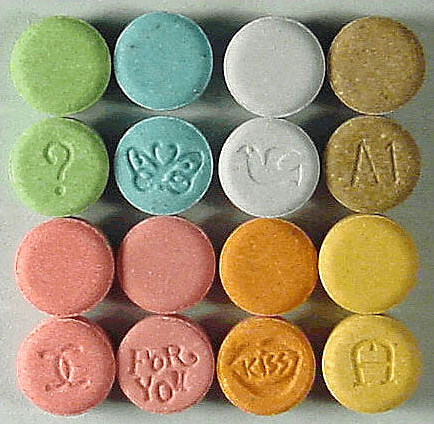
An Accidental Molecule (1912)
MDMA was first synthesized on Christmas Eve 1912 by Anton Kollisch, a chemist at Merck in Darmstadt, Germany. He was not interested in MDMA itself -- it was merely an intermediate compound in the synthesis of hydrastinine, a potential hemostatic agent to control bleeding. Merck patented the synthesis in 1914 but never explored the compound pharmacologically. MDMA sat in chemical archives for over six decades, an unremarkable footnote in a patent filing, waiting for someone curious enough to notice it.
Shulgin and the Therapeutic Revolution (1976-1985)
That someone was Alexander "Sasha" Shulgin, a legendary medicinal chemist working from a backyard laboratory in Lafayette, California. In 1976, a graduate student at San Francisco State mentioned MDMA to him, and Shulgin developed a new synthesis method and tried it himself. His notebook entry was characteristically understated, but he recognized immediately that MDMA was something unprecedented -- not a psychedelic, not a stimulant, but something that opened the heart without distorting reality. He introduced it to Leo Zeff, a semi-retired psychotherapist in Oakland who had been using psychedelics in practice. Zeff came out of retirement, nicknamed the compound "Adam" (for the state of primordial innocence it seemed to produce), and spent the rest of the decade distributing it through a network of therapists across North America and Europe. An estimated 4,000 therapists used MDMA with patients before it was scheduled -- primarily for PTSD, relationship therapy, and end-of-life anxiety. Shulgin later documented MDMA extensively in PiHKAL (Phenethylamines I Have Known and Loved), the landmark 1991 book he co-authored with his wife Ann.
The DEA, the Rave, and the Second Summer of Love (1985-2000)
In 1985, the DEA emergency-scheduled MDMA as Schedule I despite an administrative law judge's recommendation that it be placed in Schedule III to preserve therapeutic access. The move halted clinical research overnight. But MDMA had already escaped the clinic. It surfaced in the Dallas gay club scene, crossed the Atlantic, and then detonated in the UK's underground music culture. The late 1980s saw the Second Summer of Love -- acid house music, warehouse parties, and ecstasy became a unified cultural phenomenon that reshaped popular music, fashion, and youth identity across a generation.
Clinical Renaissance and FDA Reckoning (2000-Present)
MAPS began sponsoring clinical trials of MDMA-assisted therapy for PTSD in the early 2000s. Phase 3 results were remarkable: 67% of participants no longer met PTSD diagnostic criteria after three sessions, compared to 32% with placebo, earning FDA Breakthrough Therapy designation. But in August 2024, the FDA issued a Complete Response Letter declining initial approval, citing concerns about trial blinding, safety assessments, and alleged misconduct at one trial site. The rejection was a blow, but not the end -- Lykos Therapeutics continues negotiations with the FDA, and the clinical evidence remains among the strongest ever produced for any psychedelic therapy.
Harm Reduction
Test Your Substance -- Every Single Time
Reagent testing is non-negotiable. Pills and powders sold as MDMA are among the most adulterated substances on the market. PMA and PMMA have slower onset, leading people to redose before the first dose hits, and they produce lethal hyperthermia at lower doses than MDMA. Fentanyl contamination has been found in pressed pills. Methamphetamine substitution is common.
- Marquis: MDMA turns dark purple/black
- Mecke: MDMA turns blue-green to dark blue/black
- Simon's: Distinguishes MDMA (turns blue) from MDA (no reaction)
- Fentanyl test strips: Now standard practice for any pressed pill
- DanceSafe (dancesafe.org) andEcstasyData (ecstasydata.org) offer lab-grade drug checking
Dose Responsibly
- Common range: 80-120 mg oral | Use 1.0-1.5 mg/kg body weight as a starting formula
- Redose once at most, at half the initial dose, 60-90 minutes after onset
- Do not take MDMA on a full stomach -- delayed onset leads to impatient redosing, which leads to overdose
Temperature and Hydration -- The Two Things That Kill People
- Take cooling breaks every 45-60 minutes if dancing. Step outside, find a chill-out area, sit down
- Drink approximately 500ml (16 oz) per hour of moderate activity --not more. Over-hydration kills too (hyponatremia)
- Prefer electrolyte drinks or water with added electrolytes over plain water
- Avoid alcohol -- it compounds dehydration and masks overheating
- If someone stops sweating despite being hot, this is a medical emergency
The 3-Month Rule
Space MDMA sessions by at least 3 months. This is not arbitrary -- serotonin system recovery takes weeks to months. Frequent use causes progressive loss of the empathogenic effects ("losing the magic"), increased neurotoxicity risk, and worse comedowns.
Dangerous Combinations -- Memorize These
- MAOIs (phenelzine, moclobemide, Syrian rue) --potentially fatal serotonin syndrome. NEVER combine
- Tramadol -- serotonin syndrome risk plus seizure risk
- Lithium -- seizure risk
- SSRIs/SNRIs -- may blunt effects but can precipitate serotonin syndrome in some cases
- Other stimulants (cocaine, amphetamine, methamphetamine) -- compounded cardiovascular stress and hyperthermia
- Alcohol -- dehydration, masked overheating, liver stress
Supplementation (Community Protocol)
Evidence is largely anecdotal/theoretical but widely discussed:
- Before: Alpha-lipoic acid, EGCG, Vitamin C, Magnesium (reduces jaw clenching), Grape seed extract
- After: 5-HTP (starting 24+ hours after to support serotonin resynthesis), NAC, Melatonin for sleep
Post-Session Care
- Secure a safe, comfortable space to sleep afterward
- Expect 1-3 days of reduced mood and energy -- plan your week accordingly
- Avoid MDMA during periods of significant stress or mental health vulnerability
Toxicity & Safety
Hyperthermia -- The Primary Killer
The most dangerous acute risk of MDMA is hyperthermia. MDMA disrupts the body's thermoregulatory system through both serotonergic and noradrenergic mechanisms while simultaneously increasing metabolic heat production. In hot, crowded environments with sustained physical exertion -- exactly the conditions found at clubs and festivals -- core body temperature can spike above 40C/104F and climb to 42-43C/109F in severe cases. At these temperatures, proteins begin to denature, organs fail, and death follows. A 2024 case report from the Electric Daisy Carnival described a patient presenting with a temperature of 109F, seizures, multiorgan failure, and cerebrovascular ischemia. Critically, one of the most reliable danger signs is when someone stops sweating despite being hot -- this indicates the body's cooling system has failed entirely. Hyperthermia risk is dramatically increased by co-use of other stimulants, dehydration, and sustained dancing without cooling breaks.
Hyponatremia -- The Paradox of Over-Hydration
MDMA stimulates inappropriate release of antidiuretic hormone (ADH/vasopressin), impairing the kidneys' ability to excrete water. Combined with well-intentioned but excessive water consumption -- sometimes fueled by oversimplified "stay hydrated" harm reduction messaging -- this can produce severe, life-threatening hyponatremia (critically low blood sodium). The brain swells, causing headache, nausea, confusion, seizures, coma, and death. Several well-publicized fatalities, particularly among young women (who appear more vulnerable due to hormonal factors), brought this risk to public attention. The practical guideline: approximately 500ml/16oz of fluid per hour of moderate activity, preferably with electrolytes. Drink to thirst, not to a schedule.
Serotonin Syndrome
Combining MDMA with other serotonergic agents -- particularly MAOIs (phenelzine, moclobemide, Syrian rue/harmaline), but also tramadol, linezolid, and in some cases SSRIs and SNRIs -- can trigger serotonin syndrome, a potentially fatal condition characterized by agitation, confusion, tachycardia, hypertension, muscle rigidity, hyperthermia, myoclonus, and seizures. The MDMA-MAOI combination is considered one of the most dangerous drug interactions in recreational pharmacology and is absolutely contraindicated.
Cardiovascular Stress
MDMA significantly elevates heart rate and blood pressure through norepinephrine release. Individuals with pre-existing cardiac conditions -- arrhythmias, structural heart defects, severe hypertension, or undiagnosed cardiac abnormalities -- face substantially elevated risk of adverse cardiac events.
Neurotoxicity with Repeated Use
Animal studies consistently demonstrate serotonergic axon terminal damage with high or repeated MDMA doses, mediated primarily through hyperthermia and oxidative stress. In heavy human users, neuroimaging studies show reduced serotonin transporter (SERT) density, and meta-analyses document persistent deficits in verbal memory, attention, and executive function, particularly in those who use frequently at high doses. Whether moderate, spaced use produces clinically meaningful neurotoxicity remains debated, but the precautionary principle applies: keep doses reasonable, space sessions by months, and stay cool.
Hepatotoxicity
Rare but documented cases of acute liver failure have been associated with MDMA use, through mechanisms that may include direct toxicity, hyperthermia-related damage, and idiosyncratic immune-mediated reactions. This risk appears elevated with repeated dosing within a single session.
Addiction Potential
Moderately addictive. MDMA has reinforcing properties driven by dopamine release, but its addiction profile is unusual compared to classic stimulants. The acute serotonin depletion and uncomfortable comedown create a natural brake on compulsive redosing that drugs like cocaine or methamphetamine lack. Physical dependence is minimal, but psychological dependence can develop -- particularly attachment to the emotional openness and social ease the drug provides. Tolerance builds rapidly to the empathogenic effects, and frequent users consistently report that "the magic" fades with repeated use, often irreversibly. This tolerance paradoxically acts as a harm reduction mechanism for some, while driving others to escalate doses dangerously in pursuit of diminishing returns.
Overdose Information
Recognizing an MDMA Emergency
MDMA overdose is a medical emergency that kills through hyperthermia, hyponatremia, serotonin syndrome, or cardiovascular collapse -- sometimes in combination. Recognizing the signs early and acting immediately can be the difference between life and death.
Warning signs that demand immediate action:
- Extreme body temperature -- skin that is burning hot to touch, or paradoxically, the person has stopped sweating despite being overheated (this is a critical danger sign indicating thermoregulatory failure)
- Confusion or delirium beyond what is expected from MDMA -- the person seems disconnected from reality, cannot respond to simple questions
- Seizures -- any seizure activity requires emergency medical care
- Rapid or irregular heartbeat -- pounding, racing, or visibly irregular pulse
- Severe muscle rigidity or spasms -- body becoming stiff, especially combined with high temperature
- Loss of consciousness -- person cannot be roused
- Dark-colored urine -- indicates rhabdomyolysis (muscle breakdown), a sign of severe overheating
- Serotonin syndrome signs: agitation, muscle twitching (myoclonus), hyperreflexia, diarrhea, high fever, dilated pupils
What to Do -- Step by Step
1. Call emergency services immediately. Do not wait to see if the person improves. Call 911 (US), 999 (UK), 112 (EU), or your local emergency number. Most jurisdictions have Good Samaritan laws that protect callers from drug-related prosecution -- someone's life is more important than legal anxiety.
2. Cool the person down. Move them to the coolest available environment. Remove excess clothing. Apply cool (not ice-cold) water to the skin, especially the neck, armpits, and groin where major blood vessels run close to the surface. Fan them if possible. Emergency departments use ice water immersion for severe cases, aiming to reduce core temperature to 101F/38.3C within 30-45 minutes.
3. Manage hydration carefully. If the person is conscious, alert, and not seizing, offer small sips of an electrolyte drink. Do not force fluids. If there is any suspicion of hyponatremia (excessive water intake, confusion, seizures), do NOT give more water -- this will make it worse.
4. Recovery position. If the person is unconscious but breathing, place them in the recovery position (on their side) to prevent aspiration if they vomit.
5. Stay with them. Do not leave someone in medical distress alone. Monitor their breathing and consciousness until help arrives.
What NOT to Do
- Do not put them in an ice bath without medical supervision -- rapid cooling can cause cardiac arrhythmia
- Do not give them more drugs to "counteract" the MDMA
- Do not assume they will "sleep it off" -- MDMA complications escalate rapidly
- Do not let fear of legal consequences prevent you from calling for help
Medical Treatment
There is no specific antidote for MDMA. Hospital treatment is supportive: aggressive cooling for hyperthermia, benzodiazepines for agitation and seizures, IV fluid management (with extreme caution if hyponatremia is suspected), cyproheptadine for serotonin syndrome, and monitoring for cardiac, hepatic, and renal complications. Rhabdomyolysis is treated with aggressive IV hydration and urine alkalinization.
Dangerous Interactions
The combinations listed below may be life-threatening. Independent research should always be conducted to ensure safety when combining substances.
Alcohol and MDMA both cause dehydration and increase body temperature. Alcohol impairs the ability to recognize overheating. MDMA's euphoria masks alcohol's sedative effects, often leading to excessive drinking. The combination increases neurotoxicity and liver strain. Most MDMA-related hospitalizations involve alcohol co-use.
Both are stimulants and serotonergic. The combination significantly increases neurotoxicity, hyperthermia risk, and cardiovascular strain. Amphetamine potentiates MDMA's serotonin release, increasing serotonin syndrome risk. Also dramatically increases heart rate and blood pressure. A common combination in pressed pills (sometimes unintentionally) but pharmacologically risky.
Extreme cardiovascular strain from anticholinergic and stimulant effects combined
Cocaine blocks the serotonin transporter that MDMA uses to release serotonin, actually reducing MDMA's desired effects while adding cardiovascular strain. The combination increases heart rate, blood pressure, body temperature, and neurotoxicity. Users often take more MDMA to compensate, further increasing risks.
Extreme cardiovascular strain from anticholinergic and stimulant effects combined
Extreme cardiovascular strain from anticholinergic and stimulant effects combined
Compounded serotonin release. Extreme serotonin syndrome risk.
Risk of hypertensive crisis and serotonin syndrome; potentially fatal combination
MAOIs prevent the breakdown of serotonin while MDMA floods the synapse with it. This combination has caused multiple deaths from serotonin syndrome. One of the most dangerous drug combinations known.
Risk of hypertensive crisis and serotonin syndrome; potentially fatal combination
Both tramadol and MDMA have significant serotonergic activity. This combination carries a high risk of serotonin syndrome, which can be fatal. Tramadol also lowers the seizure threshold, and MDMA-induced hyperthermia further increases seizure risk.
Tolerance
| Full | with prolonged and repeated use |
| Half | 1 month |
| Zero | 2.5 months |
Cross-tolerances
Legal Status
MDMA was placed under international control as a Schedule I substance under theUnited Nations Convention on Psychotropic Substances in February 1986, following an emergency scheduling action. This was controversial at the time -- many researchers and therapists argued the scheduling was premature given MDMA's therapeutic promise.
- United States: Schedule I under the Controlled Substances Act since 1985, when the DEA used its emergency scheduling authority despite objections from an administrative law judge who recommended Schedule III. The Multidisciplinary Association for Psychedelic Studies (MAPS) completed landmark Phase III clinical trials for MDMA-assisted therapy in PTSD treatment, though the FDA declined approval in August 2024, citing study design concerns including functional unblinding. MDMA-assisted therapy remains an active area of ongoing research.
- Australia: In a historic decision, the Therapeutic Goods Administration (TGA) reclassified MDMA toSchedule 8 (Controlled Drug) in July 2023 specifically for authorized psychiatrist-supervised PTSD treatment, making Australia thefirst country in the world to officially approve MDMA for therapeutic use. For non-medical use, MDMA remains Schedule 9 (Prohibited). The Australian Capital Territory separately decriminalized possession of small amounts (under 1.5 grams) effective October 2023.
- Canada: Schedule I under the Controlled Drugs and Substances Act. However, Health Canada has granted individual exemptions for MDMA-assisted therapy under Section 56, allowing limited therapeutic access on a case-by-case basis.
- United Kingdom: Class A under the Misuse of Drugs Act 1971, carrying the most severe penalties.
- Netherlands: MDMA is illegal under the Opium Act. Paradoxically, the Netherlands is widely recognized as the world's largest producer of illicit MDMA -- a striking enforcement contradiction that has persisted for decades.
- Germany: Anlage I (non-marketable narcotic) under the BtMG since 1986.
- Portugal: Decriminalized for personal use (up to 1 gram) since 2001.
- Czech Republic: Classified under Schedule I. Possession of small amounts for personal use is treated as a misdemeanor.
- New Zealand: Class B1 under the Misuse of Drugs Act 1975.
- Brazil: Listed as a controlled substance under Portaria SVS/MS no. 344.
- Russia: Schedule I controlled substance with severe penalties.
- Japan: Controlled under the Narcotics and Psychotropics Control Act.
The global trajectory of MDMA regulation is in flux. Australia's 2023 reclassification broke decades of regulatory consensus, and several other countries are watching closely as therapeutic evidence continues to mount.
Experience Reports (6)
Tips (10)
The 3-month rule: wait at least 3 months between rolls to minimize neurotoxicity and serotonin depletion. More frequent use leads to diminishing returns, worse comedowns, and potential long-term damage.
Do not film people who are rolling hard at events. It is a serious breach of consent and can trigger anxiety or a bad experience when someone realizes they are being recorded in a vulnerable state. Mods on most communities actively ban this content.
Always test MDMA with Marquis, Mecke, and Simon's reagents. Marquis should go purple to black. Simon's differentiates MDMA from MDA. Many pressed pills contain methamphetamine, cathinones, or other adulterants.
Taking a gram or more of MDMA is genuinely life-threatening. Post-overdose psychosis with auditory and visual hallucinations can persist for days. If you experience ongoing psychotic symptoms after heavy MDMA use, seek medical attention. This is not a normal comedown.
Pre-load and post-load supplements: magnesium glycinate for jaw clenching, alpha-lipoic acid as an antioxidant, vitamin C, and optionally NAC in the weeks before (stop 24h prior). 5-HTP after, never before or during.
Rolling multiple days in a row at festivals (especially 2-3 pills per day) can cause lasting serotonin system damage. Memory problems, emotional flatness, and persistent brain zaps are reported by people who abused MDMA heavily. Some report these issues persisting for months to years.
Community Discussions (12)
A user describes being unknowingly given methamphetamine instead of MDMA at a birthday party, experiencing racing heart, excessive sweating, no sleep for three days, and paranoia. Their father, a former meth user, recognized the signs, and the user ordered a urine test to confirm the substance.
A user reflects on a 150ug LSD trip that led them to conclude that likeable people are those who genuinely engage with and listen to everyone. They compare this quality to the social openness they feel when on MDMA, noting the authenticity vs. performance tension in social interaction.
A user asks for scientific literature supporting the commonly cited 3-month MDMA recovery rule, questioning whether any peer-reviewed studies actually measure serotonin recovery or neurotoxicity over this specific timeframe. They also seek a scientific explanation for brain zaps beyond general overuse warnings.
A lighthearted thread asking for funny stories while on MDMA, with the poster sharing their own story of hallucinating a man paying his electricity bill at a rave only to realize the person was just dancing. The thread invites community storytelling about rolling experiences.
A user calls out the harmful practice of filming people without consent while they're rolling hard at events, arguing it can trigger bad experiences and is disrespectful. They urge moderators to ban such content from the community.
A person with bipolar depression took MDMA at an EDM show and experienced profound warmth, social connection, and self-acceptance unlike anything felt in years, emerging with renewed hope that their depression may be serotonin-related. They reflect carefully on whether to disclose this to their doctor and whether to repeat the experience.
A research study participant shares a live account of being administered an unknown substance (MDMA, buprenorphine, valium, or placebo) and quickly concludes based on the effects that they received MDMA. They seek distraction and conversation while confined to a room for the rest of the day.
A user describes placing approximately 10mg of MDMA into an open blister wound on their thumb and reports it was simply corrosive and painful with no notable effect. A brief and cautionary anecdote about transdermal MDMA absorption.
A user describes combining 200ug LSD and 100mg MDMA (candyflip) late at night while exploring Google Earth, sharing good vibes with the community. The post is a brief, enthusiastic check-in from someone mid-experience.
A first-time MDMA user shares their experience in real time — noting the slow 2-hour onset, a gentler-than-expected but perfect feeling, heightened music appreciation, and a sense that everything is beautiful. The post is a warm, brief check-in from someone new to rolling.
Further Reading
Alexander Shulgin
American medicinal chemist who synthesized and personally tested over 230 novel psychoactive compounds, introduced MDMA to the therapeutic community, and co-authored the landmark books PiHKAL and TiHKAL with his wife Ann.
Read articleAnn Shulgin
American author and lay therapist who pioneered the use of MDMA and 2C-B in psychotherapy, co-authored the landmark books PiHKAL and TiHKAL with her husband Alexander Shulgin, and co-developed the Shulgin Rating Scale for reporting psychoactive effects.
Read articleStanislav Grof
Czech-born psychiatrist who conducted some of the most extensive clinical LSD research in history, mapped a radical new cartography of the human psyche, co-founded transpersonal psychology, and developed Holotropic Breathwork as a non-drug alternative.
Read articleHamilton Morris
American chemist, journalist, and filmmaker whose documentary series Hamilton's Pharmacopeia brought rigorous scientific storytelling about psychoactive substances to mainstream television.
Read articleRick Doblin
American psychedelic drug researcher and activist who founded the Multidisciplinary Association for Psychedelic Studies (MAPS) in 1986 and spent nearly four decades pursuing FDA approval for MDMA-assisted therapy for PTSD.
Read articleSee Also
Same Class
References (6)
- MDMA Vault - Erowid
Erowid experience vault for MDMA
erowid - Amphetamine: new content for an old topic — Heal et al. Neuropsychopharmacology Reviews (2013)paper
- MDMA-assisted therapy for PTSD — Mithoefer et al. Psychopharmacology (2019)paper
- PubChem: MDMA
PubChem compound page for MDMA (CID: 1615)
pubchem - MDMA - TripSit Factsheet
TripSit factsheet for MDMA
tripsit - MDMA - Wikipedia
Wikipedia article on MDMA
wikipedia
Gallery